



Astino Valley Astino Church
"Astino Valley Astino Church" (Monastero di Astino) is a medieval monastery in the Astino Valley (Valle d'Astino) in Bergamo Province, Lombardy, Italy. Its origin can be traced back to the 12th century. It is located in the hilly area in the southern foothills of the Alps, adjacent to the ruins of "Astino Castle. It is an important witness to the history of the trinity of "religion-lord-agriculture" in the Lombardy region, and it is also a typical sample for studying the interaction between Italian medieval monastic culture and local society.

Astino Monastery Astino Valley
"Astino Valley Astino Monastery" (Monastero di Astino) is a medieval monastery in the Astino Valley (Valle d'Astino) in the province of Bergamo, Lombardy, Italy. Its origin can be traced back to the 12th century. It is located in the hilly area in the southern foothills of the Alps, adjacent to the ruins of "Astino Castle. It is an important witness to the history of the trinity of "religion-lord-agriculture" in the Lombardy region, and it is also a typical sample for studying the interaction between Italian medieval monastic culture and local society.

Medieval Church of New Calatrava, Spain
The "Medieval Church of Calatrava la Nueva" () is a medieval religious building in the municipality of Real, in the autonomous region of Castilla-La Mancha, central Spain, located in the center of the town of "Calatrava la Nueva", adjacent to the site of the former "Castle of Calatrava. It is an important witness to the history of Spain's "recovery of lost land movement" and "Calatrava Knights", and it is also a typical sample of the study of medieval religious architecture and local culture in the Iberian Peninsula.

Church of Santa Maria, Barengo Campania
The "Church of Santa Maria di Campagna" (Chiesa Santa Maria di) is a medieval to Renaissance Catholic church in the municipality of Ballego, Piedmont, Italy. It is located in the core area of the old town of Ballego (Città Vecchia), adjacent to the "Castello di Barengo" (Piazza San Rocco), it is an important landmark in the "history-religion-life" triangle of Ballengo.

Church of San Bernardo, Ronkora
"The Church of Ronkola San Bernardo" (Chiesa di San Bernardo) is a Catholic church from the Middle Ages to the Renaissance in the town of Ronkola, Bergamo Province, Lombardy, Italy. It is located in the hills on the west bank of Lake Bergamo (Lago di Como), adjacent to the "Como-Bergamo" historical trade route. It is the core landmark of "religion-culture-life" in Ronkola region. It has witnessed the rise and fall of rural churches in northern Italy in the Middle Ages and the faith inheritance of local communities. It is also an important building for the study of folk religious art in Lombardy region.

Spanish ancient building Consuegra Castle
The history of Consuegra Castle can be traced back to the 10th century, and the Moors regarded it as the key node of the "Southern Defense Line. It was mainly used to defend against the attacks of the Christian kingdoms of the north and to control rivers and trade routes. In 1085, after King Alfonso VI of Castile captured Toledo, the castle was included in the Christian sphere of influence and gradually transformed from a military fortress to a "frontier defense center". With the gradual weakening of the military function of the Spanish unified Consuegra Castle, it was transformed into an aristocratic residence and administrative center. The local nobility, the "Kongsuegra family", became the actual controller of the castle through marriage with the royal family.

Italian ancient architecture Groscio San Faustino Castle
The castle dates back to the 12th century and was built under the auspices of the Lords of Grosio, a branch of the local aristocracy, the Visconti family. Its core function was to control the main transportation routes of the Valtellina Gorge and guard against predators from northern Europe and feudal rivals from the south. In the 13th century, the castle was given to the "San Fastino Monastery" and became a "religious-military complex". After the 15th century, with the unification of Lombardy by the Principality of Milan, the castle gradually lost its military function and was transformed into a noble summer palace and administrative center. During the rule of the Austrian Empire in the 18th century, some buildings were demolished for the construction of roads but the core structure was preserved.

Alco Castle, an ancient Italian building
The history of Alco Castle can be traced back to the 12th century, when the town of Alco became a battleground for military strategists because it was located in the Trento Basin and Lake Garda. At the end of the 12th century, the local aristocracy, the "Alco family", began to build the castle in order to consolidate their control over the territory. After the 15th century Alco Castle was incorporated into Venice's "border defense system". The Venetians reinforced the walls and added batteries on the original basis. During the Napoleonic Wars in the 18th century, the castle was briefly occupied by the French army, and then annexed to the Austrian Empire with Trento (1815), gradually losing its military function.

Upper City Santa Maria Grand Basilica
The construction of the Great Basilica of Santa Maria dates back to the mid-12th century (c. 1150-1200), coinciding with the golden age of Bergamo as the "free city-state of Lombardy. At that time, in order to consolidate their power, the city aristocracy and the church vigorously promoted the construction of religious buildings. The Santa Maria Hall was designed as the "spiritual center of the city", which not only served the needs of citizens' beliefs, but also symbolized the authority of the aristocracy and the church.

Kirk Madeline Church, Linnes District, Galloway County, Scotland
Kirk Madeline Church is a historic village church in Linnes, Galloway County, southwest Scotland. Its name "Kirkmadrine" is derived from Scottish Gaelic and is a typical representative of the integration of Scottish "frontier culture" and Christian tradition. This church is not only the religious center of the local community, but also the living carrier of the history, architecture and folk culture of the Galloway area. It is known as the "living fossil of the Scottish rural church". The Kirk Madeline Church dates back to the 12th century and its origins are closely linked to the spread of "Celtic Christianity" in Scotland.

Clagton Church in the Galloway region of Scotland
Clagton Church is a historic country church in the Galloway area of south-west Scotland, located near the town of Clagton on the north shore of Clyde Bay. It is not only an important witness to the spread of Christianity in Galloway, but also a living carrier of "frontier culture" and rural history in Scotland. The Church of Clagton dates back to the 12th century and its origins are closely linked to the spread of "Celtic Christianity" in Scotland. The Galloway area was at the forefront of Scottish-Irish cultural exchange in the Middle Ages, where early missionaries were active, and Clagton Church may have originally been an improvised place of worship established by Celtic monks.

Popular Models


Honey Badger (3D animated model)
194 View

Guinea fowl (3D animated model)
165 View
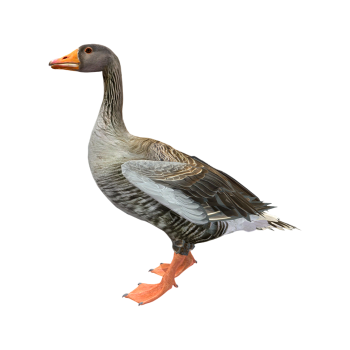
Wild Goose (3D animated model)
187 View
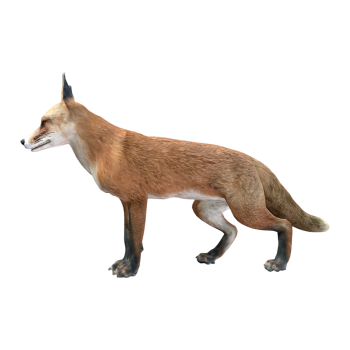
Red Fox (3D animated model)
155 View
Random Model
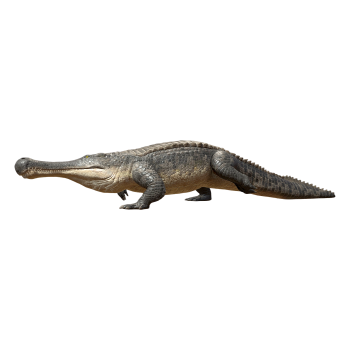
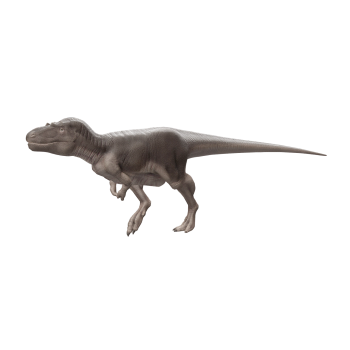
Da-style turon (3D animated model)
191 View


Parasaurus (3D animated model)
133 View


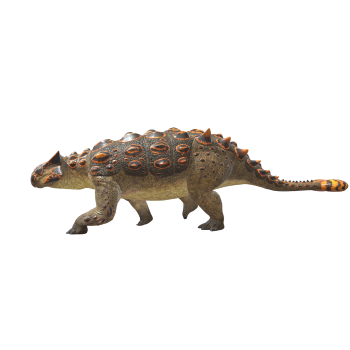
An angylosaur (3D Action Model)
163 View

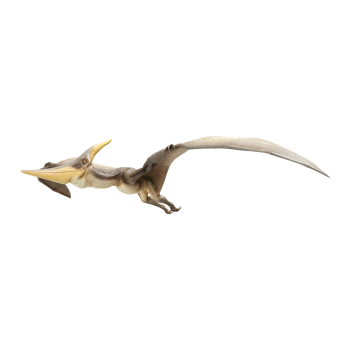
Pteranodon (3D animated model)
140 View
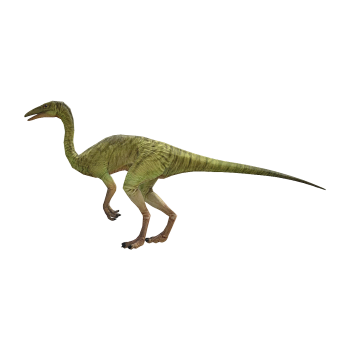
Maxillosaurus (3D animated model)
123 View